
Recent Blog Posts
- Fine Wine Investment Seminar, Wednesday 12th February 4/02/2014
- The Wine Advocate’s Grand World Tour 2014 20/01/2014
- Fighting Counterfeit 11/11/2013
- The Classés of 2012: Trends over the past year 4/10/2013
- Bordeaux 2010: The Latest Opinion 22/02/2013
Trending
Ten most searched-for wine names*- 1. Dom Perignon2. Petrus3. Pin4. Montrose5. Cristal
- 6. Talbot7. Angelus8. Belgrave9. Krug10. Palmer
An Introduction to Wine Investment
The trading of fine wine first began with the advent of the en primeur system – still in practice today – whereby major Chateaux request payment for wines early (whilst still in the cask and therefore as yet unbottled). This was originally so that they could more easily maintain the financial liquidity necessary to approach the forthcoming year’s production – but also increasingly to ensure that demand for their wines remains consistent from year to year, even when the performance of the vintage is not.
Those investing in wine in this way are generally happy to do so because of the attractive difference between en primeur and delivery pricing. However, as bottled wines are not released to market until at least 2 years after the vintage in question, consumers or investors must always be confident that their chosen merchant will be solvent when delivery is due.
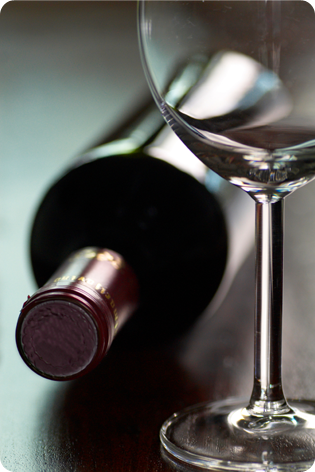 Fine wine investment strategy is not restricted to en primeur purchasing; any modern fine wine portfolio should also expect to contain highly regarded ‘back’ [earlier] vintages. The selection of investment-grade back vintages increases the potential of the portfolio as a whole; particularly when one is able to take advantage of small market movements market to pick up temporarily undervalued wines.
Historically, fine wines have consistently been traded for profit at various points within their lifespan. These days more and more investors are choosing such alternative asset classes as an area of diversification; indeed, many investment ‘experts’ now view fine wine as an essential element of any growth portfolio.
So how and why may fine wines rise in value?
As a fine wine matures it generally increases in quality; this can be a contributing factor towards upward movement in price. However, of far more fundamental importance is the way in which pricing itself can be governed by the basic economic laws of supply and demand…
Auction News
- Weekend Wine Auctions Raise $18 million wine-searcher.com, 25/03/2014
- Hart Wine Auction Totals $5.05 Million as Lafite ’82 Leads Sale businessweek.com, 25/03/2014
- Sotheby’s hails success of Drouhin direct cellar auction decanter.com, 11/03/2014